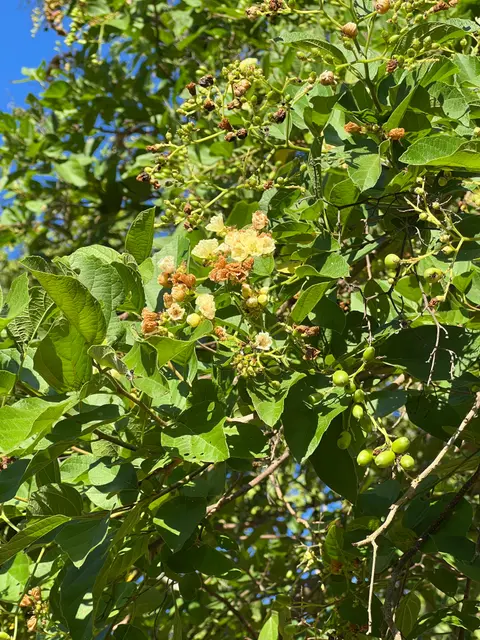
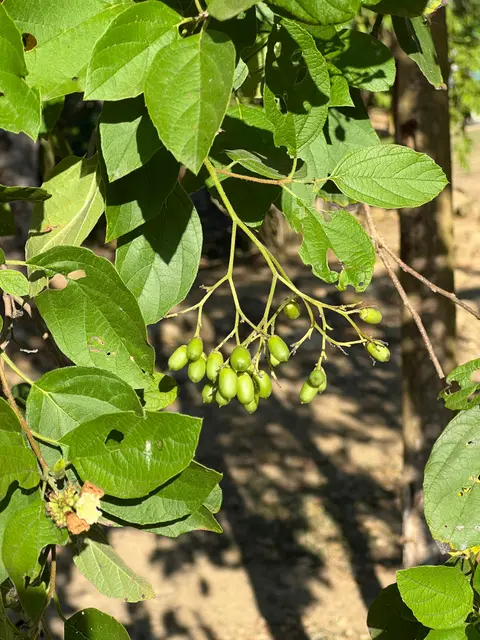
The Uvito That Flowers and Fruits at the Same Time
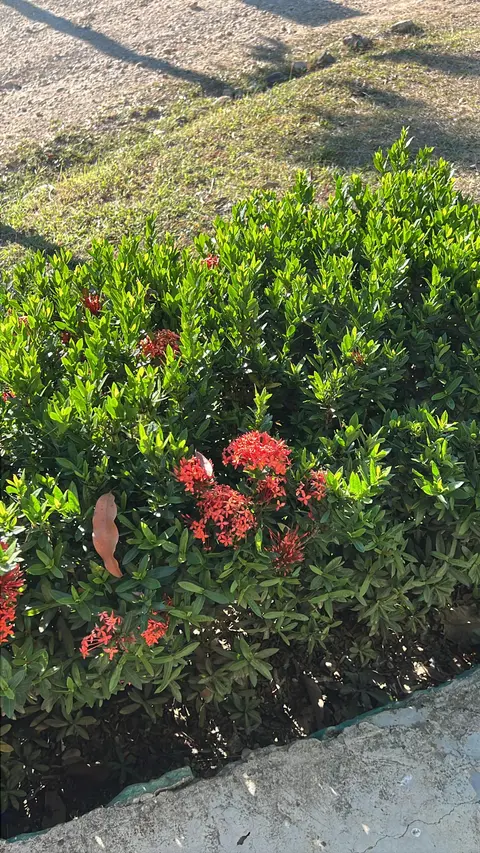
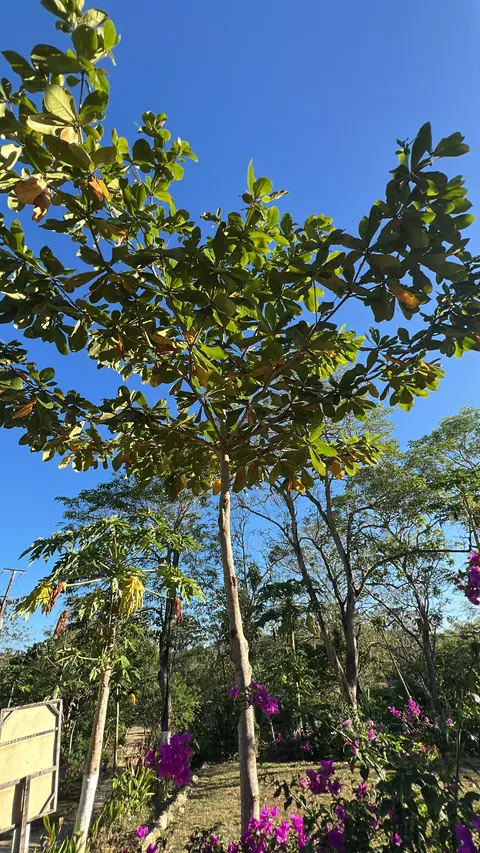
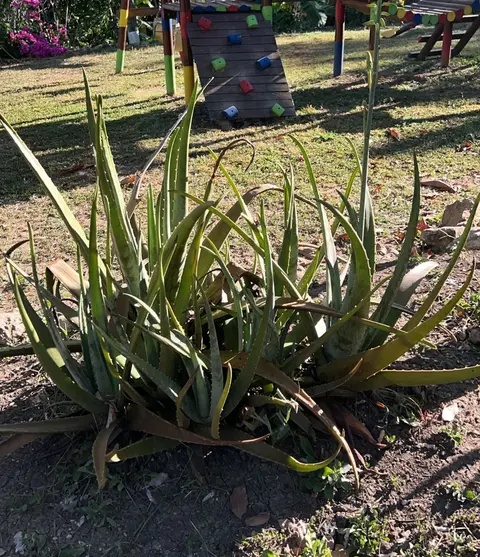
That Sunday in March, Michel Salas wandered through the sanctuary's garden with the unhurried ease of someone who knows how to look slowly. Among the concrete planters and the sandy soil that the sun dries without mercy, he found them one by one — the plants that share that green corner of the Fundación: the Ixora with its clusters of burning red flowers, the bugambilia spilling its purple over the branches of the almendro, and the sábila spreading outward in fleshy rosettes near the play area.
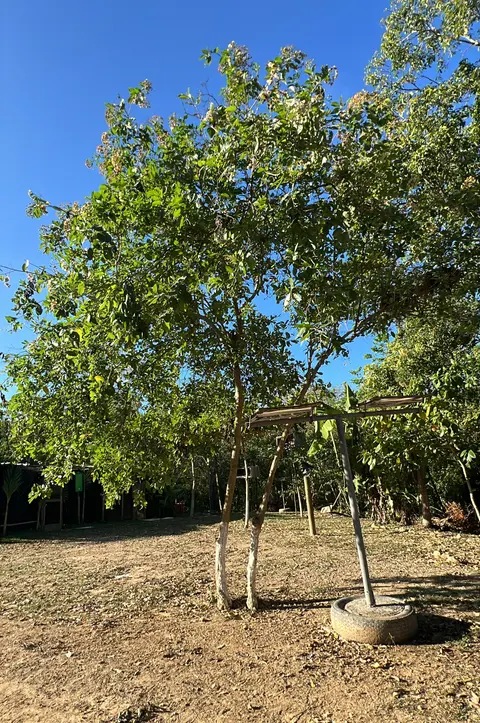
But it was the uvito — a Cordia alba of generous stature and broad canopy — that claimed the afternoon. Michel photographed it bearing yellow-orange blossoms and green fruits at the same time, that rare phenological coincidence that unfolds between February and March along the Colombian Caribbean coast. A native species of Bolívar and nearly the entire coastline, the uvito is a tree of many trades: it yields firewood, forms living fences, feeds livestock and pollinators alike, and offers sweet fruits that humans, too, are welcome to eat. Its flowers have long been used in traditional medicine for stomach ailments and bronchitis.
What the field guides seldom mention is who carries its seeds into the forest: the frugivorous bat Carollia perspicillata, that small nocturnal navigator working in silence while the garden sleeps.