The Kapok of the Ceiba and Its Green Visitors
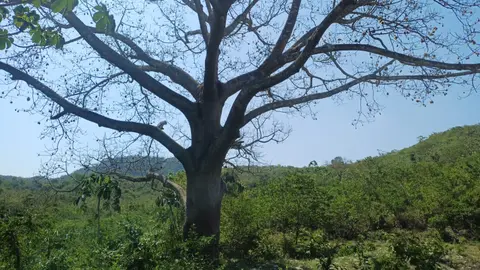
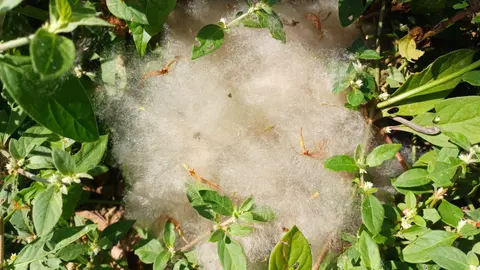
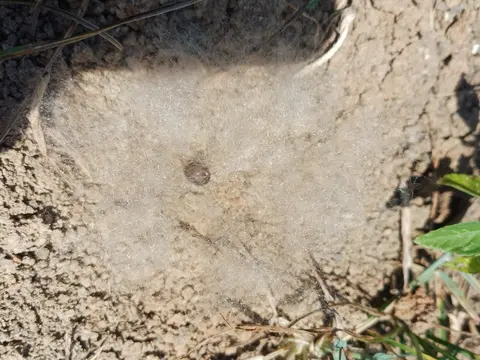
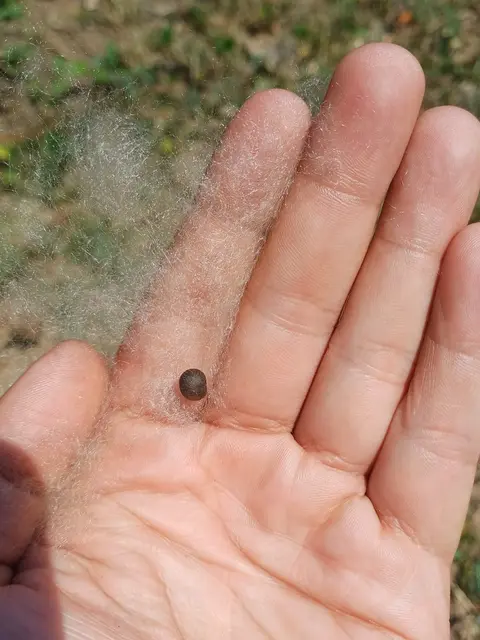
Beneath a clear sky and among branches stripped nearly bare, Jorge Alcalá and Michel Salas came upon a Ceiba pentandra today, deep in the dry season. The tree, imposing even without its leaves, was releasing its fruits — and from them spilled the kapok, that white, cottony fiber that swaddles the seeds and sets them adrift on the wind to travel wherever the air will take them. At first glance, it looked like a tangle of spider webs, but no: it was the ceiba doing what it does, scattering its offspring with the ease of something that has never needed to hurry.
While Jorge and Michel watched the seeds drift past, two Orange-chinned Parakeets — Brotogeris jugularis — had settled into the branches and were pecking at the green fruits with the unhurried confidence of animals who know exactly where to find a good meal. These small orange-throated parrots are regular visitors to fruiting trees, and today the ceiba bonga had set the table for them.
The record came out complete: tree, fruit, fiber, seed, and associated fauna — all found at a single point within the reserve. Sometimes the field offers up its discoveries like that, all at once, without any warning.